.png)
Relearning how to live with water
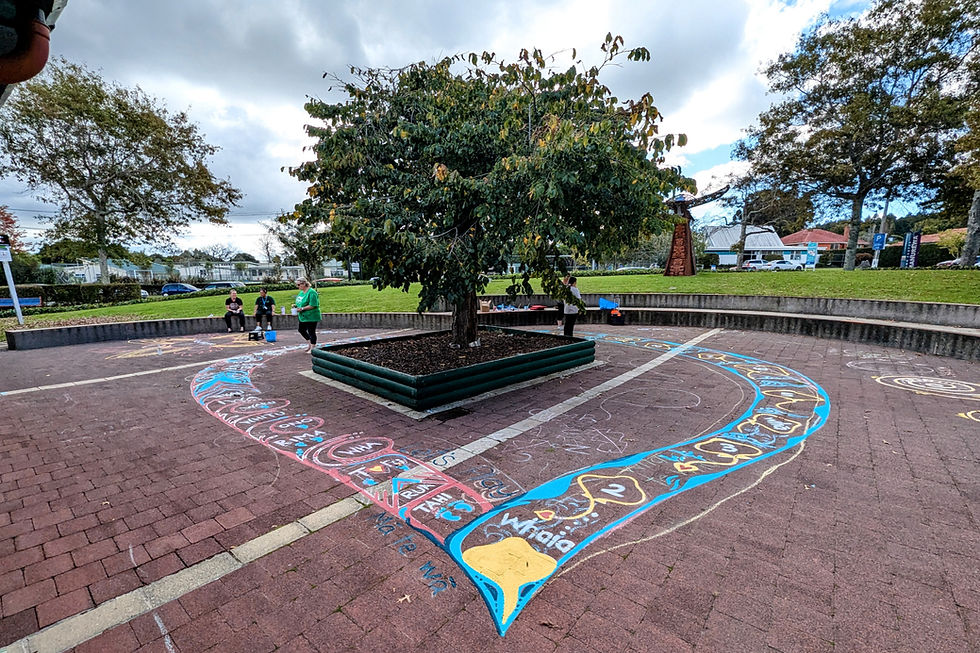
This year’s Auckland Matariki festival theme, Matariki ki te Wai, invites us to reflect on our enduring connection with water - as life-giver, taonga, and teacher. In Tāmaki Makaurau, that reflection has never felt more urgent.
Why? Every time it rains heavily, communities across Tāmaki Makaurau hold their breath.
Since the devastating weather events of 2023, many Aucklanders now live with the knowledge that their homes may flood again — and again. For those in flood-prone housing, the impacts are compounding: damaged homes, displaced whānau, insurance stress, and the persistent anxiety of “what if?”
These events triggered one of the largest land acquisition programmes in our city’s history. Around 1,200 properties have been identified for buy-back under Auckland Council’s Making Space for Water initiative - homes where future flooding isn’t just likely, but potentially fatal.
Catalyse is proud to be working closely with communities across Tāmaki Makaurau on flood recovery planning - listening deeply to their experiences, hopes, and ideas to help shape futures that reflect their needs and We see this as more than a story of managed retreat. It’s a turning point that asks: What do we do with this land now? How might communities lead the way to shape places of resilience, healing, and belonging?
In New York, the Housing Authority is working with tenants to reimagine over 2,000 acres of public land. Through a simple five-step process - Imagine, Partner, Design, Build, Activate - communities are creating dog parks, gardens, and urban forests. These aren’t beautification projects; they’re long-term, community-led responses to structural challenges we also face here: climate disruption, housing inequity, and social disconnection.
In our work we’re seeing communities step up - they want a say in what comes next on land that may no longer hold homes, but could still hold value.
Auckland’s 2025 Matariki theme, Matariki ki te Wai, prompts us to look to the past and future — to acknowledge generations of concreting wetlands, straightening rivers, and building where water naturally flows. We are now being asked to relearn how to live with water.
And in that relearning lies hope. What if flood-prone land became spaces for mahinga kai, native restoration, cultural practice, or simply time together in nature?
What if recovery was not just about retreat, but return? To care. To community. To whenua.
This conversation goes beyond parks, drainage, or housing stock, it goes to the heart of a much bigger question: What does home look like in a changing climate?
Home is more than shelter. It’s memory, whakapapa, identity.As managed retreat enters our national conversation, we must ask: who decides what’s worth saving, who is protected, and how change is shaped?
Examples from Westport, Kumeū, Australia, and Sweden show us that these decisions are complex — intertwined with culture, economy, connection, and legacy.
In Aotearoa, mātauranga Māori has always offered us a way to live with water — observing, adapting, and planning in ways that are intergenerational, relational, and just.
As we shape the future of these lands, that knowledge must guide us.